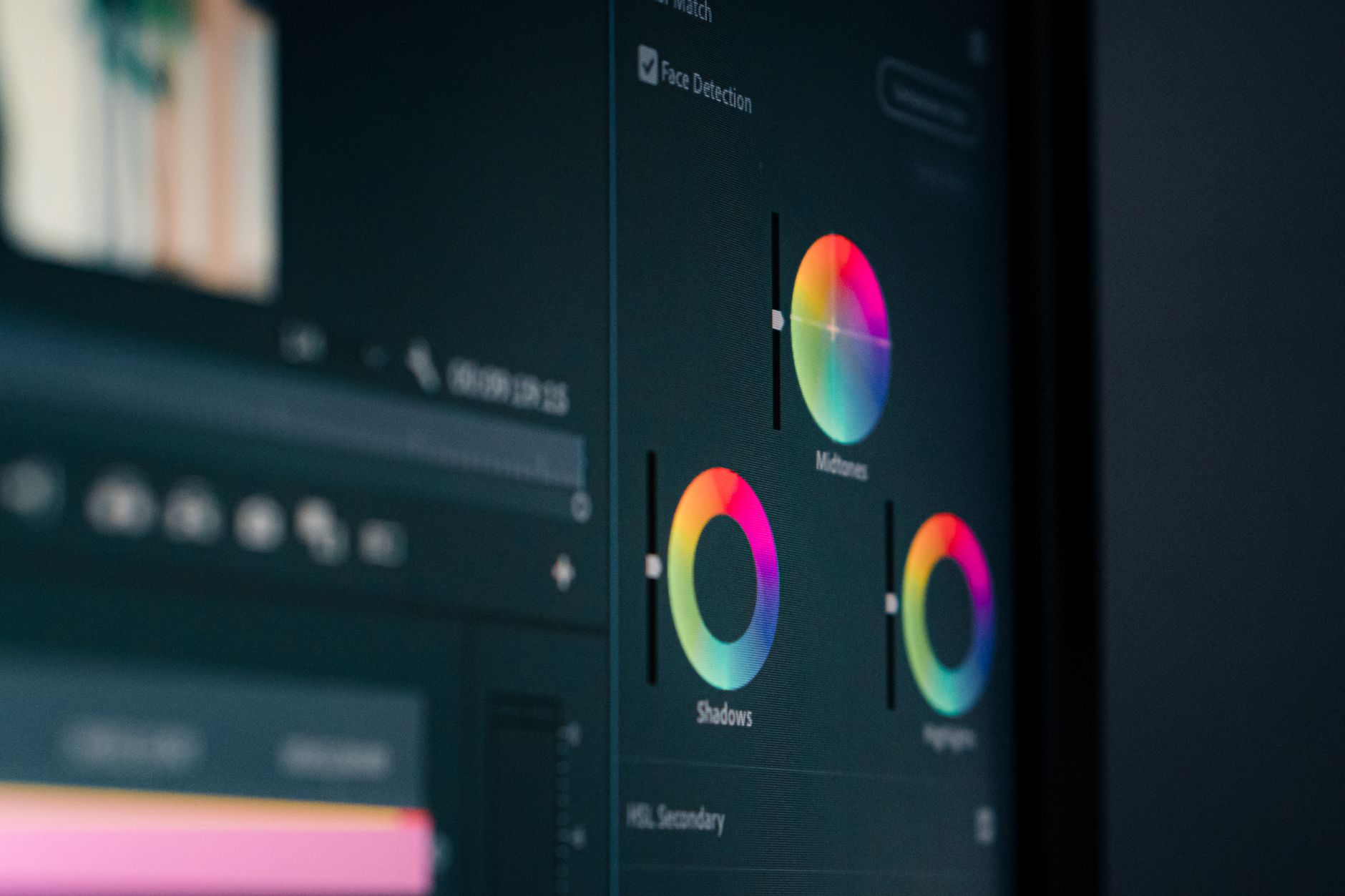
The Science of Color Spaces
In modern video editing, color matching across multiple cameras is a critical step. A camera records colors based on its unique sensor structure and internal software settings. If you shoot a commercial scene with a RED camera and a secondary ARRI camera, the initial footage won't match. Professional colorists must convert both camera formats into a unified, wide-gamut workspace, such as ACES (Academy Color Encoding System), before starting the creative color grading process.
Maintaining accurate skin tones while crafting a stylized color palette is essential to preserving the credibility and luxury feel of the brand message.
“Color is the silent storyteller of any film. It sets the emotional tone and guides the viewer's focus before a single line of dialogue is spoken.”
Key Steps in the Color Matching Workflow
Our post-production team follows a comprehensive multi-step color pipeline for every project:
- Log-to-Rec.709 Conversions: Safely converting flat log profiles into standard viewing gamuts.
- Camera Matching: Balancing exposure levels, contrast ratios, and white balance across all angles.
- Creative Color Grading: Applying artistic lookup tables (LUTs) and targeted adjustments to build the final look.

At Lumina Stream, we have dedicated, expert color grading suites equipped with calibrated reference monitors. This ensures that the final video looks stunning whether it is played on a mobile device, a living room TV, or a large cinema screen.